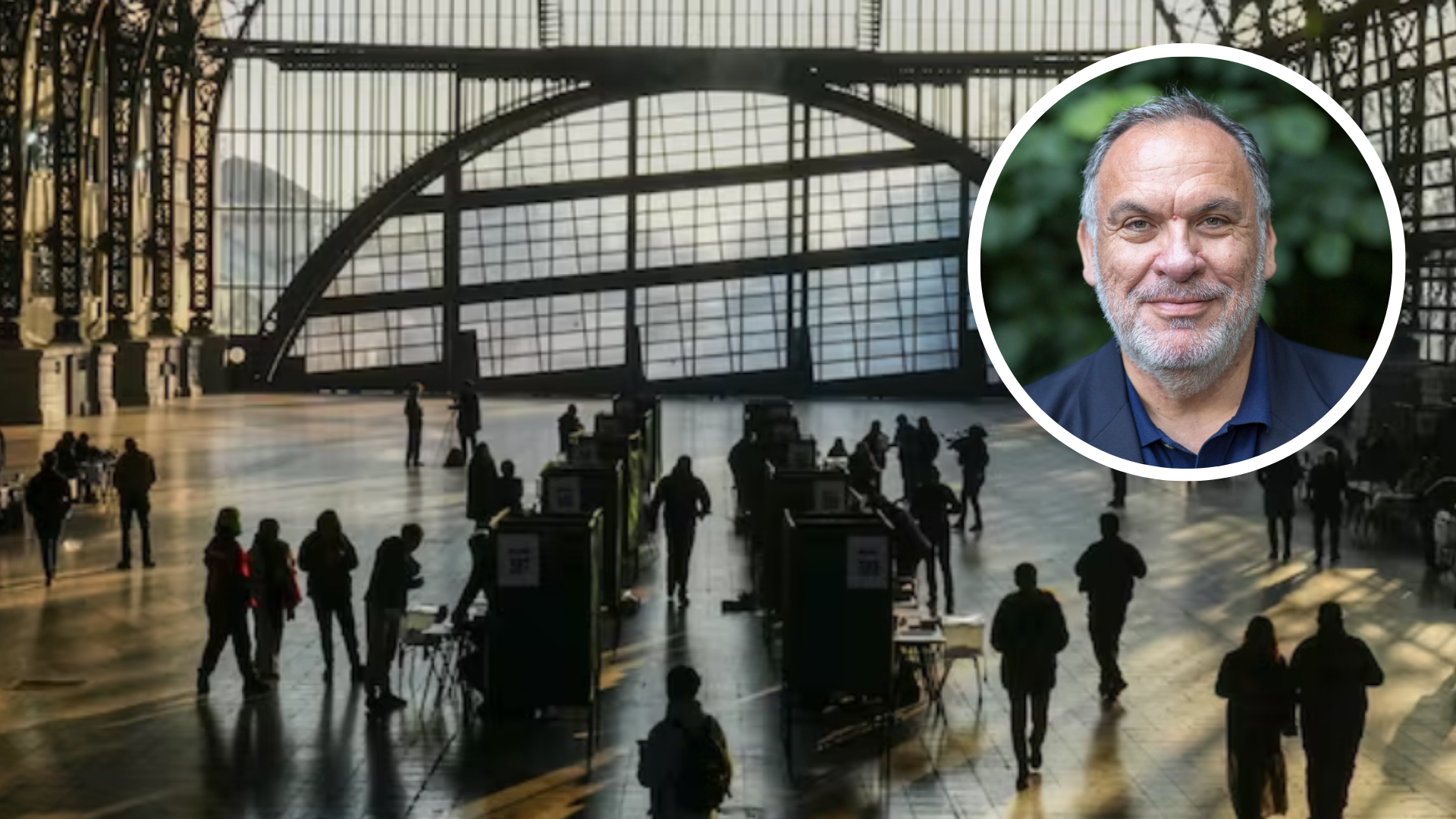

Just as roads, hospitals, water systems, and communication networks are critical infrastructures that guarantee human well-being, trust is the critical infrastructure that enables collaboration between institutions and people. Sometimes, trust also acts as a social and emotional engine, seeking to find hope where it may not be immediately visible.
The critical infrastructure
We need to recognize that trust is a critical infrastructure, indispensable for institutions to function and to address today’s and tomorrow’s problems. The World Economic Forum, in a recent “Future of Jobs Report,” states that the world is facing multiple complex crises—or “polycrises”—and that immediate societal changes are needed to tackle them. People don’t just need to know things to do their jobs; they must also be able to adapt when everything changes, when mistakes are made, or when it’s time to start over. Trust is the sum of emotions that allows us to live without fear.
We all understand the importance of the structures that support our societies, but we don’t always see how deeply interconnected they are and how much they rely on information, collaboration, and trust. Protocols, controls, sanctions, and limits can be created, but a regulatory system on its own cannot enable everyone to collaborate at their full potential. A frightened society cannot be innovative, because it doesn’t dare to explore new paths.
Three pillars of change
To generate the necessary changes, three pillars are required: knowledge, institutions, and will. In Chile, we have institutions and a great deal of knowledge, but in some cases, the will is scattered or absent. Sometimes, what we need is not more diagnostics, but the courage to ask: if we know so much, why don’t we do what needs to be done? A big part of the answer has to do with the lack of trust and collaboration between institutions.
People often ask us, “What’s the point of dialogue if we don’t see immediate results?” They’re a bit disappointed when we explain that a dialogue process is not quick—it follows its own rhythm. Rushing doesn’t always lead to results. “I don’t need answers—I need you to listen,” is something we frequently hear between groups with different points of view. Taking the time to engage in dialogue is an investment in that invisible fabric that sustains collaboration.
Who should we be listening to?
How can we transform this archipelago of distant people into a more collaborative, more humane, more inclusive country? There’s no doubt we need urgent solutions to problems like corruption, crime, poverty, and others. While it may be tempting to tell your own group that from your shore you can see the whole picture—and that other perspectives don’t matter—none of these islands hold all the answers. When you don’t know the path, it is wise to ask: Where do we want to go, and who should we be listening to?
It’s not easy, but it is possible to build with those who have different pasts. It always starts with some point of connection. “I never thought I’d find myself with someone like you,” we’ve heard in the dialogue workshops we’ve held across the country - and sometimes, there’s an embrace where just before there were opposing sides. Hope lives in those emotions.
Seeking common ground
It’s not about all agreeing - our diversity means we experience life in different ways - but what if we built a “community of disagreements,” where thinking differently doesn’t frighten us, and where keeping our differences isn’t the same as living in separate worlds? To put it simply: not all of us support the same football team, but we can agree it’s a beautiful sport.
From the ashes of the most devastating crises, ideas for peace can blossom. One example is the Treaty of Paris, signed in April 1951, which created the European Coal and Steel Community. Among its signatories were the Federal Republic of Germany and France. The Second World War had ended just six years earlier. The pain had not been forgotten; it was still present when they signed an agreement that changed the course of Europe.
Encounter, not confrontation
The challenges we face are not in the distant future - they’re knocking on the door right now. There is real fear, deep fatigue, and yet we know that within many hearts lives the stubborn hope that we can listen to one another, and that things can get better. Every generation has its turning point, and preparing for peace is an inevitable step. Amid these tectonic shifts, with declining trust in democracy, this is a good moment to ask: Do we keep going as we are, or do we do something different?
We sometimes forget that many of the most lasting solutions don’t come from confrontation, but from encounter. As Mahatma Gandhi said: “The best way to resolve any political or social issue is for the protagonists of opposing views to meet and speak with sincerity and honesty.” Just as we invest in traditional infrastructures, it may be truly visionary to ask: What would happen if we multiplied spaces for dialogue and became a more dialogic society?
In Chile, we need to create a permanent meeting point—a reference for dialogue and trust—and why not, one with a regional outlook as well. The urgency is clear. Preparing for peace must be a state policy. It is an inevitable step.
---
Alfredo Zamudio is the director of the mission in Chile at the Nansen Center for Peace and Dialogue.
This is a translation of the original article published in El País, on July 18, 2025. The original Spanish version can be found here: https://elpais.com/chile/2025-07-18/la-infraestructura-critica.html
---
Read more about the Dialogue project in Chile
Strenthening intercultural learning through dialogue
In a recent conversation, we had the opportunity to delve into the rich and diverse experiences of Andrew John Fundingsland, a seasoned educator who just completed our training in Dialogue in Conflict.
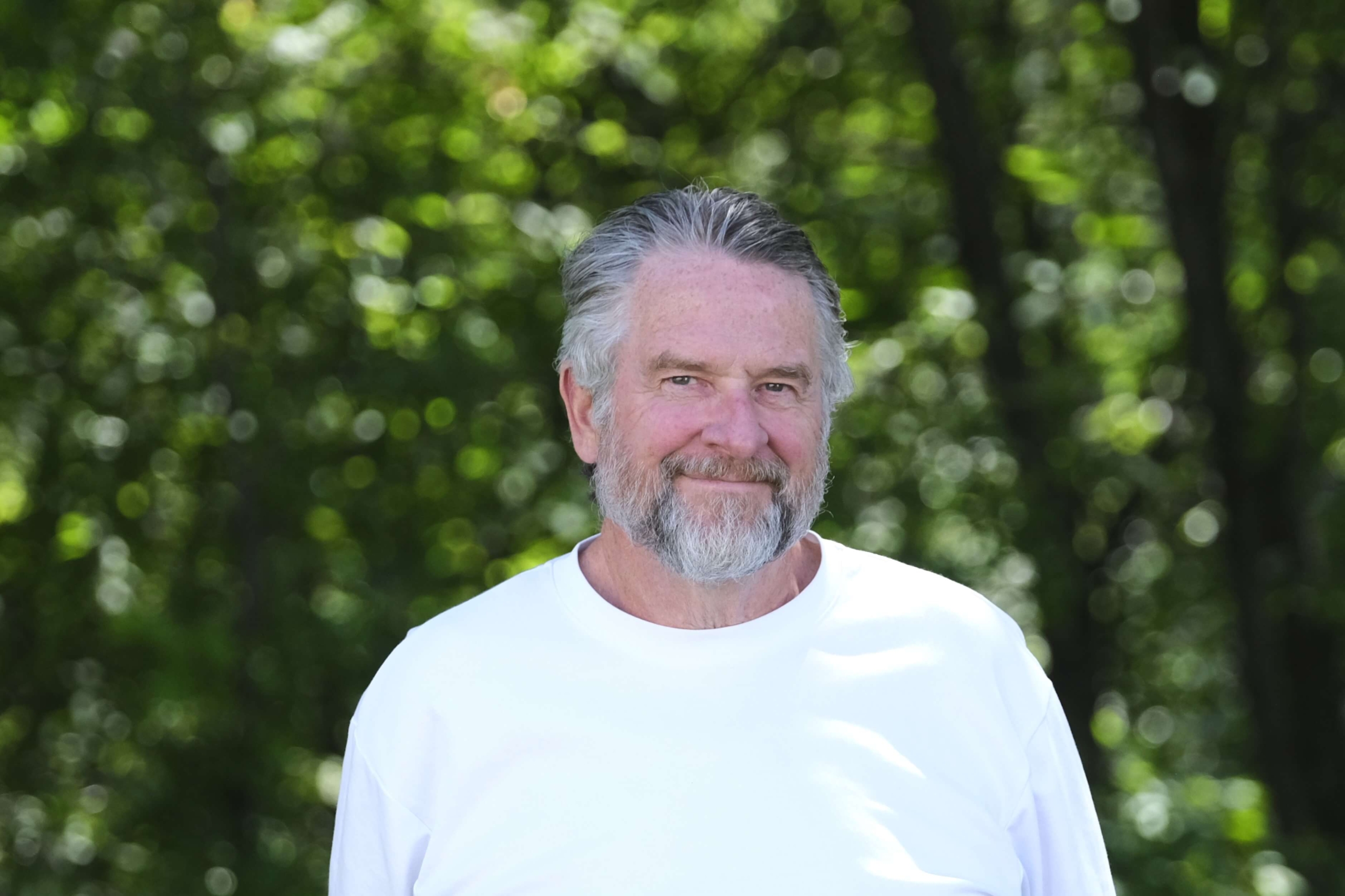 According to Andrew John Fundingsland, the training in Lillehammer has made a lasting impact.
 Currently residing in Stavanger, Norway, Andrew’s career has spanned teaching and public education, industry development, with notable stints in the Netherlands and Japan. Andrew shares his experiences, motivations, and insights regarding his recent engagement with the introductory training in Dialogue in Conflict.
– I see a very consistent methodology that must have been developed over time through a lot of challenging experiences, he explains.
A Multicultural Journey in Education and Beyond
Andrew hails from the north of England but has spent significant portions of his life in different parts of the world. Driven by a scholarship to study the Japanese sport Kendo, he lived in Japan for many years. There he mostly worked in language teaching and intercultural learning. Later, Andrew transitioned into industry roles focused on training and development, recruitment, and executive search.
In Norway, he continued to work in the education sector, teaching at BI Norwegian Business School and at the British International School of Stavanger. His roles have been varied, covering humanities and supporting pupils with special needs.
The Nansen Training Experience
– I first encountered the Nansen Center's work about 25 years ago at an intercultural communication conference in Oslo. There, I attended a talk by Steinar Bryn about his work in the Balkans. This made a lasting impression on me, he recalls.
Over the years, he closely followed the work of the Nansen Center. Several times he considered joining a training, and this year, the opportunity finally presented itself, aligning with his schedule and commitments.
Reflecting on his motivation for joining the training, he explains:
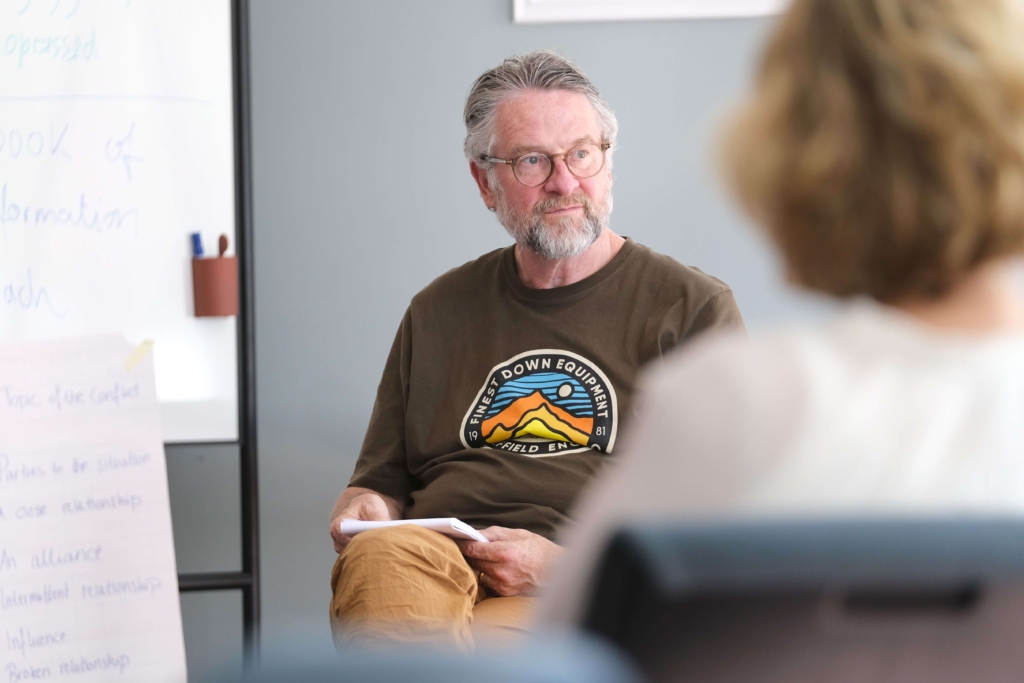
– Being in a teaching environment, I’ve always been aware of a gap between standard teaching and facilitating. For some topics, facilitation can be a more appropriate approach, allowing you to achieve a lot with a smaller presence in the room, but still with a lot of attention to what is happening by deep listening and asking good questions.
The Potential of Dialogue in Education
Andrew contrasts the training experience with his background in teaching and professional development, noting the distinct methodologies employed in dialogue facilitation.
– The humility and professional differentiation of the facilitators stood out, he remarks.
– The training emphasized minimal but well-chosen interventions by the facilitator, fostering an environment where the most interesting and meaningful interactions occurred spontaneously.
Embracing the Unknown
A key aspect of the Nansen training that Andrew highlights is the collaborative dynamic between the main facilitator and the co-facilitator. This close but well-defined collaboration is something he believes could greatly benefit traditional classroom teaching.
– Teachers, accustomed to predictable outcomes, could enhance their practice by embracing those unscripted moments. I am very fascinated by how the center works to implement this methodology in the school system.
Want to know more about the dialogue approach? Check out our upcoming trainings:
Training in public dialogue approach, sept. 23-27.
Dialogue Facilitation, dec. 2-6.
Embracing Dialogue for Conflict Transformation
Sara Yousef, a master’s student in Peace and Conflict Resolution, shared her reflections after completing the introductory training, Dialogue in Conflict.
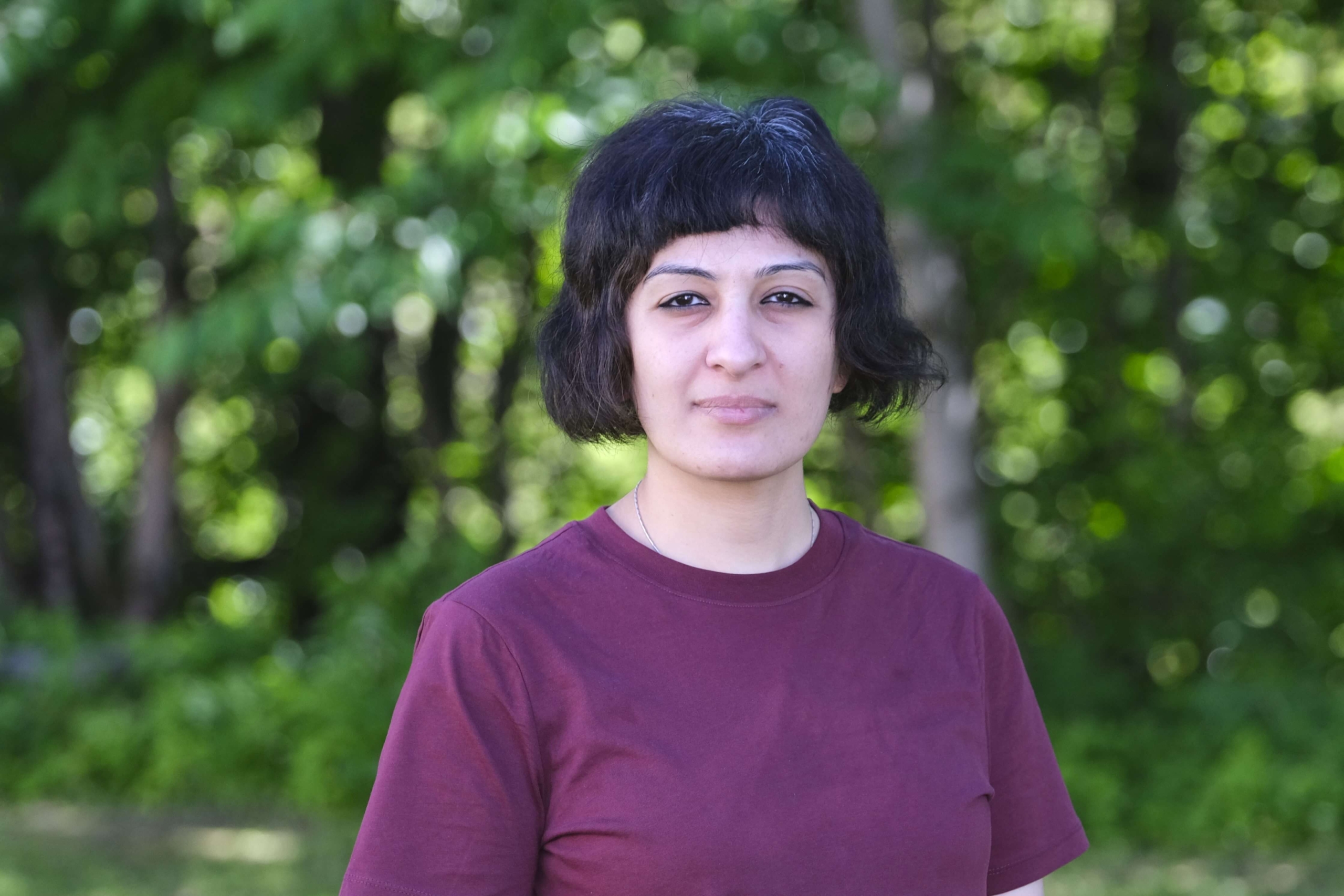 Humanitarian worker, Sara Yousef, recently finished her training at the NCPD in Lillehammer.
 Originally from Egypt, Sara Yousef now lives in Tromsø, northern Norway. For the past two years, she has been pursuing her master’s degree in Peace and Conflict Transformation at The Arctic University of Norway (UiT). According to Sara, her recent training in Lillehammer has made a significant impact.
– Both professionally and personally, I see many opportunities to utilize the dialogue approach in various situations. This training has also helped me better understand myself—my needs, motivations, and interests, Sara explains.
A Diverse Background in Humanitarian Work
Before relocating to Norway, Sara dedicated a decade to working with international humanitarian organizations. Her roles spanned Doctors Without Borders, Save the Children, Doctors of the World, and the UN system. Additionally, she served as a project coordinator for a USAID-funded organization, managing logistics and technical tasks.
Sara initially wanted to attend a workshop in conflict resolution held by the Nansen Center at the university. Although unable to join at that time, she was excited to learn about the training sessions in Lillehammer.
– I wanted to dig deeper into this topic and was happy to hear that the center offered training in this approach, she recalls.
Engaging with the Training Content
Sara describes the training as a focused and immersive exploration of conflict management through dialogue. She appreciated the depth of the training.
– This training focused intensely on how people in conflicts can manage situations by using dialogue and how to navigate the web of emotions and needs of those involved, she explains.
One of the standout tools for Sara was conflict mapping, which allows for a comprehensive analysis of different actors in a conflict and their relationships. She also found the conflict tree particularly useful.
– When trying to explain conflicts, it’s easy to lose track. Visual tools like this help structure conflicts and make it easier to get a good overview, Sara notes.
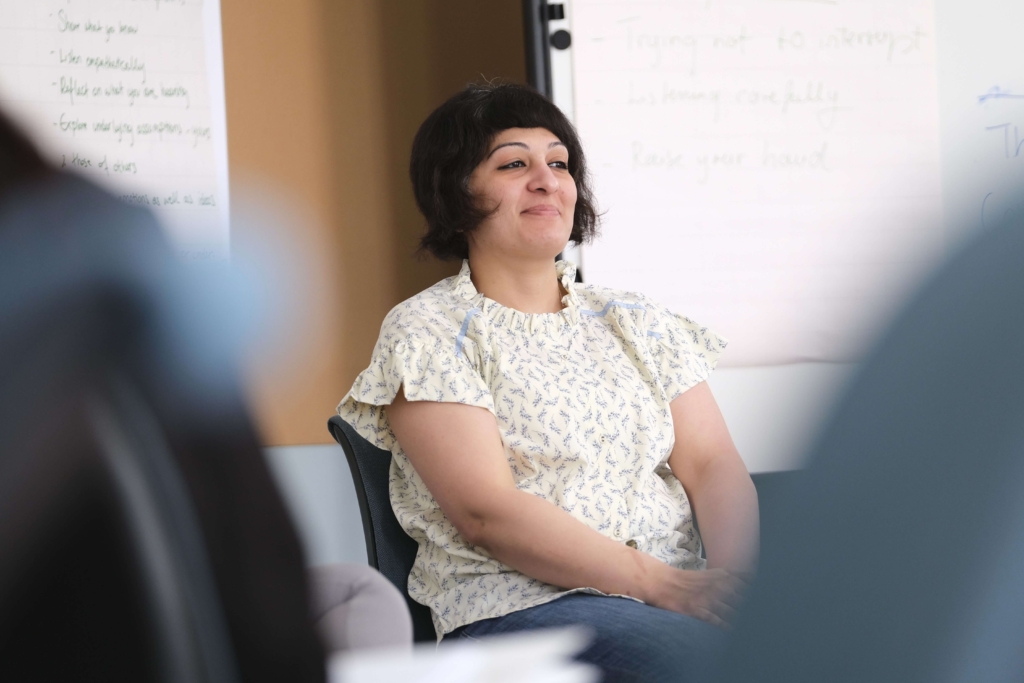
Experiencing Group Dynamics and Process-Based Learning
Her group of fellow participants was small but inclusive, fostering an environment conducive to open discussion and sharing of experiences.
– Everyone, with their patience and insights, helped maintain a safe space. Also, the diversity of the group contributed to a more enriching learning experience, making it more exciting as well, she says.
Applying Dialogue Skills in Professional and Personal Life
Reflecting on her background in humanitarian work, Sara sees the potential to apply her newfound dialogue skills in different contexts.
– In my former job, we used to arrange public meetings on issues regarding public health and hygiene. If equipped to use dialogue in such settings, I believe it is more likely to achieve effective outcomes.
– Conflicts and misunderstandings can happen in demanding situations. For me, this training has fostered significant growth and made me more tolerant of others and different contexts, Sara concludes.
Want to know more about the dialogue approach? Check out our upcoming trainings:
Training in public dialogue approach, sept. 23-27.
Dialogue Facilitation, dec. 2-6.
NEW HANDBOOK: A practical approach to public dialogue
Nansen Center for Peace and Dialogue (NCPD) launches a new handbook on how to facilitate public dialogue – An inclusive space for people to talk about what matters to them.

The handbook offers insights about the practical approach of public dialogues, a concept developed by the NCPD. With this book, we hope to provide useful and accessible knowledge, rooted in real life experiences and practical examples.
The book has been developed as a resource to everyone interested in dialogue, peace, and conflict transformation. It can also be useful for those working with similar approaches or whose engagements concern that of public discourse, moderation, conflict work, communication, community building and organizing.
The handbook is written by Christiane Seehausen and Siri Syverud Thorsen. Agata Urbanik, Norunn Grande and Astrid Folkedal Kraidy have contributed with valuable input and proofreading.
Here you can download handbook: A practical approach to public dialogue
Conversations that matter
Over the years, while training and facilitating dialogue as a tool for conflict transformation, participants wanted to know if there was a way for dialogue to serve the general public, in addition to empower individuals navigating conflict situations. This request was the starting point for the development of our approach to public dialogues.
A public dialogue is a facilitated dialogue for the public about a topic of public interest. Deep listening and genuine follow-up questions are important ingredients in public dialogues. This approach is particularly useful for addressing sensitive, conflicted or controversial topics. By sharing personal stories and thoughts, the main goal is to build trust and better understanding across differences for those present.
Among other things, public dialogues can contribute to; less polarization and tensions in local communities; ensure inclusive processes and decision-making, create a safe space for conversations on challenging topics; highlighting important events and conversations in communities.
A doorway into a life-long learning process
The public dialogue approach is still a rather new concept and always evolving. With this book, NCPD wishes to embody some of the insights so far. Nevertheless, one of our wishes for this resource is for you to take what we have assembled and make it your own. We hope it can serve as a fundament for further development.
We want to emphasize that it is only a doorway into a life-long learning process that no-one ever graduates from. We invite you to study this book with the same mentality.
Join our trainings
Dialogue is not a skill that solely can be taught theoretically but rather needs to be practiced. We strongly recommend participating in at least one of our interactive trainings in this approach.
Here you will find information about upcoming trainings at the NCPD.
Next training in Public Dialogue will be held in September 23rd to 27th 2024.
The art of facilitation – An interview with three dialogue practitioners
What is it like to participate in a training at the Nansen Center? We had a talk with Sadhu, Nancy and Karoline who shared their thoughts and insights after attending our training in dialogue facilitation.
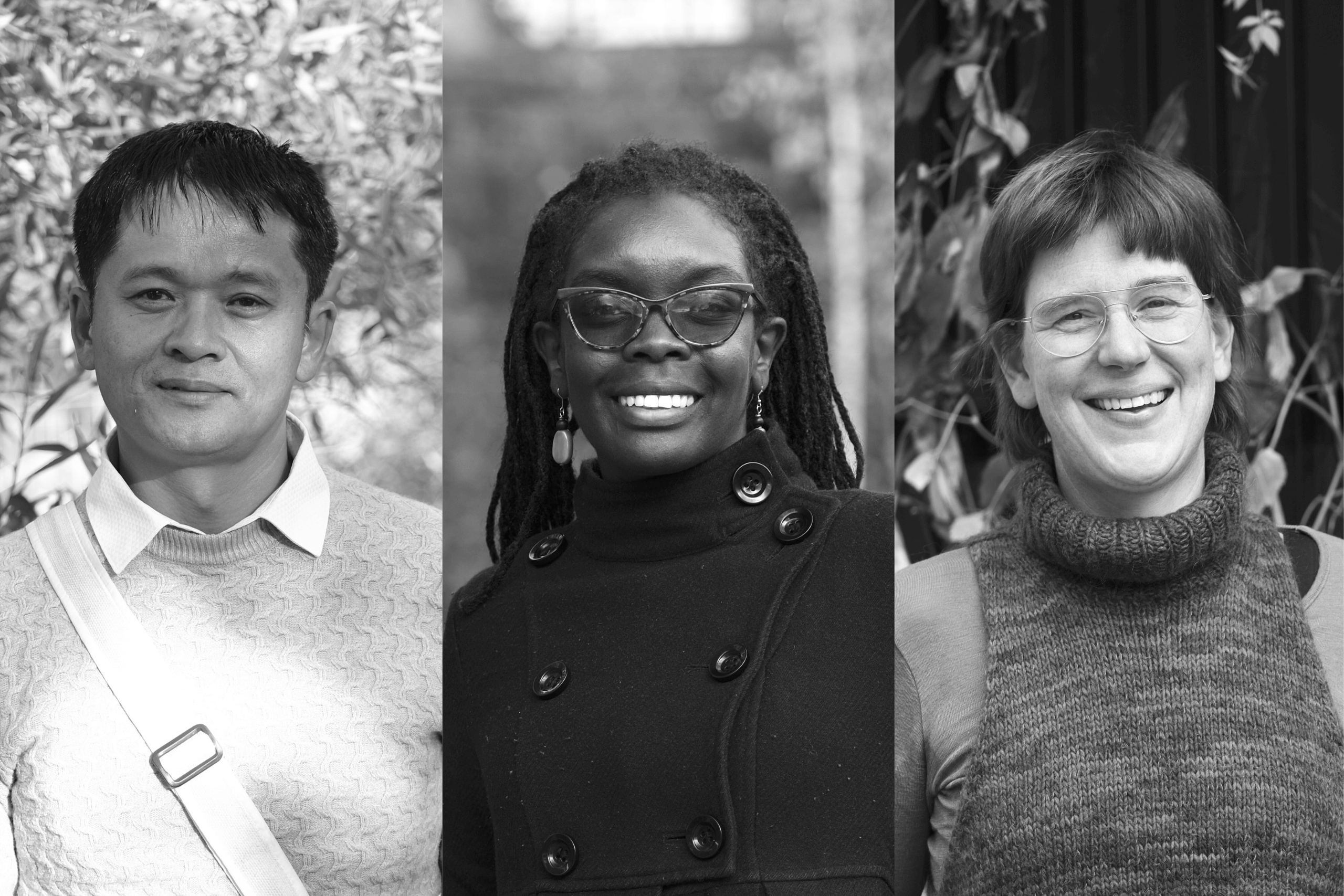 A PEACE WORKER, AN ASSISTANT DIRECTOR, AND A PRIEST: Three well-experienced dialoge practitioners share insights on the value of dialogue facilitation.
 In a dialogue, facilitation is about creating a safe space so that people can talk to each other in an honest, open, and empathic manner. The facilitator’s role is to make sure that the participants feel respected, listened to, and valued – that their voices matter.
Nansen Center for Peace and Dialogue (NCPD) offers a dedicated training on how to facilitate dialogues. Facilitation is a skill that needs practice to develop. All trainings at the NCPD builds upon the personal stories and reflections that the participants bring to the table (or into the dialogue circle). You learn through interaction with others, and the varity of people participating, is what makes every training experience unique.
This fall we had participants from all over the world, representing countries like Sweden, Germany, Poland, Chile, Colombia, Rwanda, Nepal, and Ireland. We had a talk with three of them, who willingly shared their first thoughts after an intense week in Lillehammer, Norway.
Read more about our trainings and approach.
Sadhu Ram Tamang, peace advisor (Nepal)
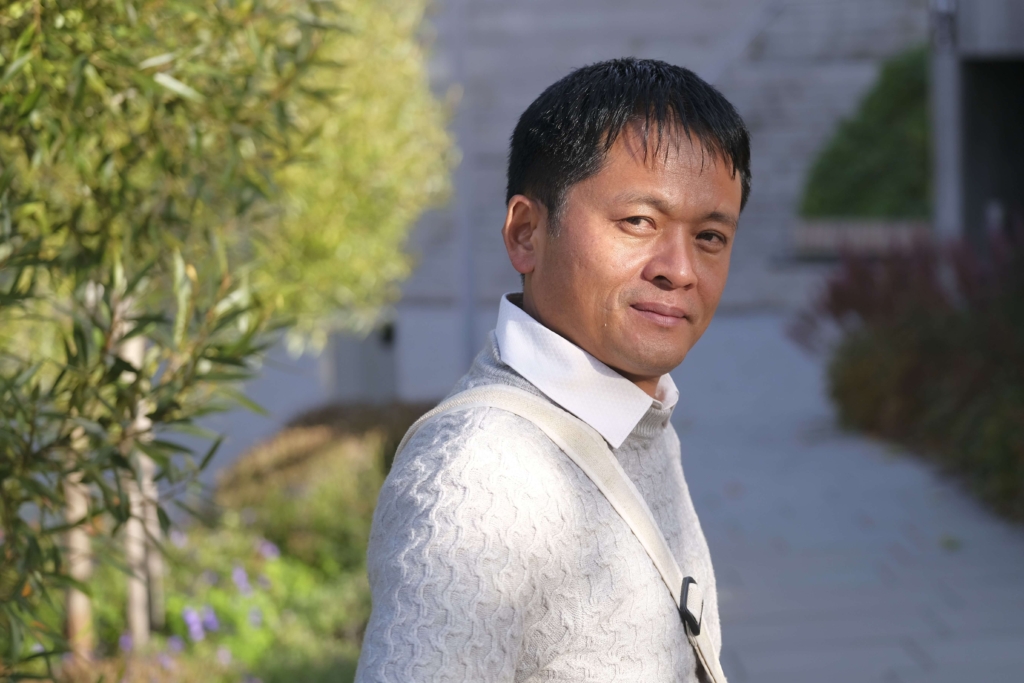
Sadhu Ram Tamang is a peace advisor from Katmandu in Nepal, working for an international development organization. Since 2020, he’s been engaged in the field of dialogue, organizing activities, and building capacity for dialogue in his home country.
According to Sadhu, many conflicts in Nepal concerns access and distribution of resources like water, forests, and minerals. Politics, ideologies, and religious extremism have marked the landscape of conflicts in the country. However, things are changing. Sadhu believes that many of these issues can be addressed using the dialogue approach.
I really enjoyed the holistic approach, not just on how to use this professionally, but also how I can use this in my own life and serve humanity as best as I can.
Sadhu Ram Tamang
– Occasionally, underlying conflicts between the Hindu and the Muslim population have flared to the surface. As a response to this, we have facilitated inter-religious dialogues in Lahan, southern Nepal. This is an ongoing process that has been well received by both the civil society and national authorities.
– On a national level, I’ve been mapping the various organizations working with dialogue and conflict transformation in Nepal. Their approaches and methods might differ, but the main goal has been to create a space where these can talk and share experiences. In 2022, this work led to the Nepal Dialogues Summit 2022. This year we are awaiting over 40 organizations to the Nepal Dialogue Summit 2023.
What was your main motivation for participating in this training?
– I wanted to sharpen, testify, and verify my own understandings. This has been a life-changing experience. I really enjoyed the holistic approach, not just on how to use this professionally, but also how I can use this in my own life and serve humanity as best as I can.
– In the case of Nepal, I believe these insights and tools can be useful to build a larger community of dialogue.
Was there anything that made a particular impact on you?
– One thing that really made an impact on me was how open all the participants were. How quickly we all gained trust and respect to each other. There was a great sense of togetherness, love and caring. I believe it has something to do with the methodology. The training is not guided by the content but rather by the flow of sharing and interaction.
– It was something very special and I will keep this in my heart and mind forever.
Karoline Faber, priest in the Church of Norway (Germany/Norway)
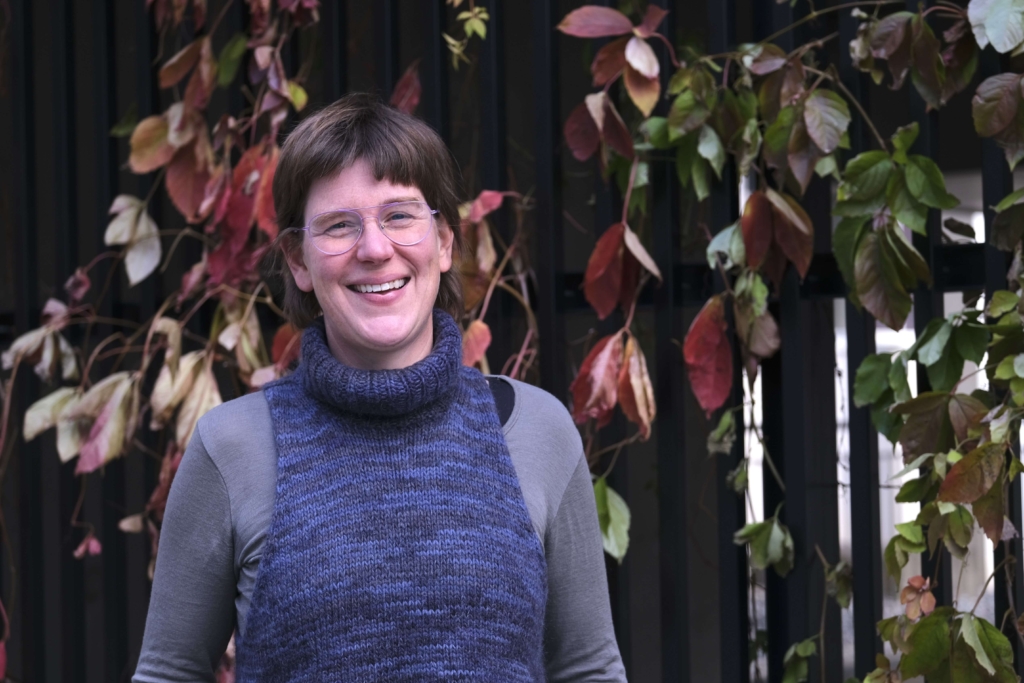
Karoline Faber is a Lutheran priest in the Church of Norway. She’s also managing an church dialogue center in Drammen. Originally, Karoline is from Germany, but the past 14 years she’s been living in Norway.
Karoline explains that joining the facilitation training was rather a spontaneous decision.
– I’m involved as an observer in a local dialogue forum with religious leaders. The main topic here is how to relate to life stories from people within the LGBT+ community. Recently, we had a dialogue session with Christiane from the Nansen Center. As a person who works with dialogue professionally, I was quite impressed of this approach and thought to myself: “If this method exists, I want to learn how to do this”.
The world is as it is, but there is a sparkle of hope that changes can happen when people are sharing space and gain trust to each other.
Karoline Faber
In what way do you think the Nansen method might be useful for you?
– As a priest, I meet many people across beliefs and culture. My job is also a lot about how the church interacts with the wider society. In these contexts, there are so many layers to take into consideration: Like prejudice, our faith and personal conviction. I believe that dialogue is the best way to cope with this.
How did you experience the training?
– It’s been super intense! There is a lot to take in and you are giving so much of yourself in the training. I also find it very developing that you get so much feedback from your fellow participants and the trainers. Dialogue and facilitations are crafts, and it is paramount to practice for developing your skills.
– One thing that will stick to my mind is the power of genuine meetings between humans. When people are meeting in an honest way, great things can happen. The world is as it is, but there is a sparkle of hope that changes can happen when people are sharing space and gain trust to each other.
Nancy Biwott, associate director at CMU-Africa (Kenya/Rwanda)
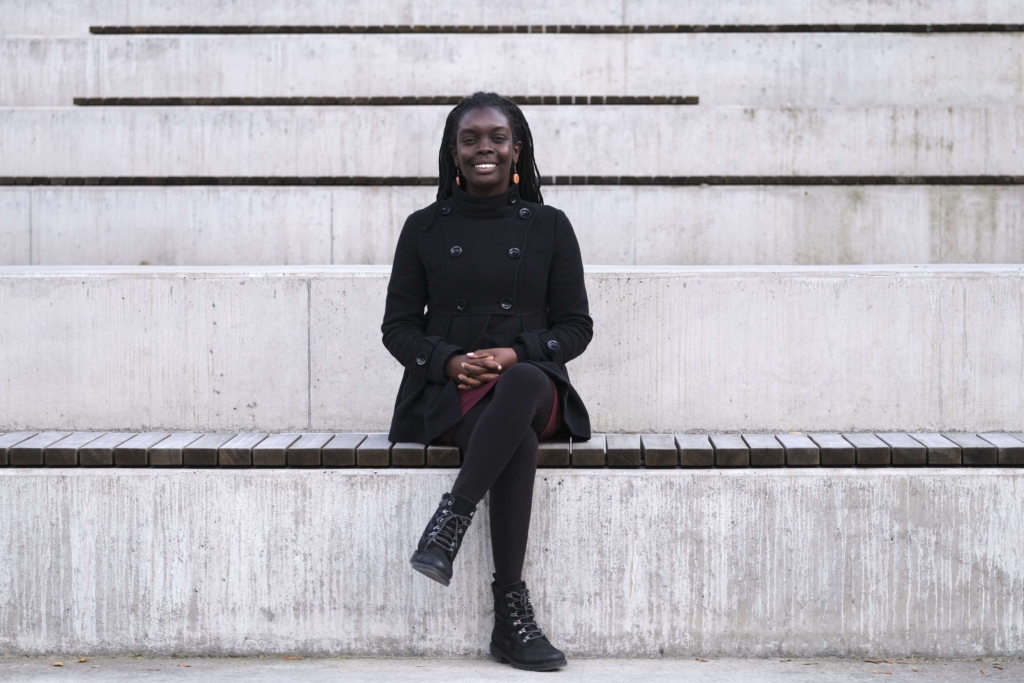
Originally from Kenya, Nancy Biwott works as an associate director at the Carnegie Mellon University Africa in Kigali Rwanda. She’s passionately advocating for a more inclusive equal society for all. In addition to her work at the university, the last ten years she’s been facilitating a dialogue forum that addresses various topics related to their local community – on how to include each other and live together peacefully.
What was your main motivation for participating?
– In 2021 during covid, I attended one of NCPDs digital trainings. I found the content both powerful and transformative. What I loved about it was how little it focused on grand theories, but rather its reflective and contemplating approach. I instantly knew that I wanted to dig deeper into this, and I was very happy to get selected for this training.
Amazing trainers and participants. Amazing discussions. Amazing risk-taking.
Nancy Biwott
In what way do you think the insights from the training can be applied in your work?
– There are several topics in Rwanda that can be addressed through public dialogue sessions. In the community dialogue forum, we have organized dialogues on topics like gender equality, mental health, and inclusion of people with disabilities and refugees. These talks have been valuable to reflect upon our experiences, our beliefs and how we understand each other as a community.
– In my work at the university, I also work a lot with conflicts involving students or employees. It strikes me that these conflicts are often just levels of different understandings. That’s why I find this tool and method so powerful. In the dialogue, our needs, feelings, perspectives, and ideologies are uncovered. From there, many great things can happen.
How was it for you personally to be part of this group and training?
– Throughout this week we’ve had time to reflect upon our own assumptions, understandings, and experiences in life. I loved the deepness of this training, and how much each one opened up, shared, and showed trust to each other, Nancy elaborates and concludes:
– Amazing trainers and participants. Amazing discussions. Amazing risk-taking.
Reporting from the Frontlines: An Unyielding Pursuit of Truth Amidst Conflict
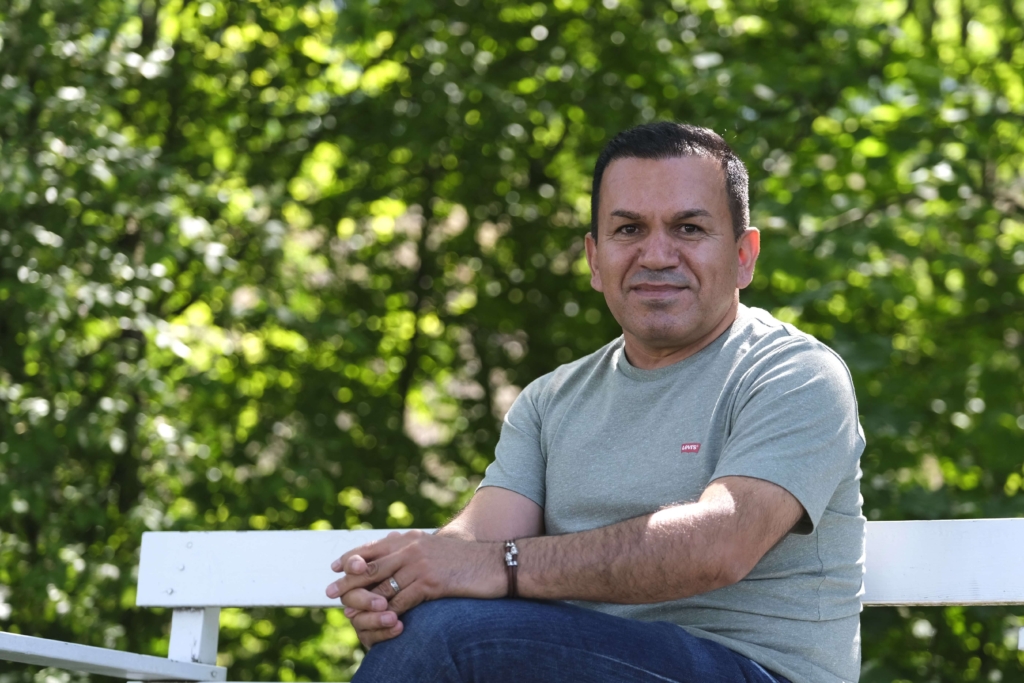
Journalists reporting from conflict zones face numerous challenges and risks as they navigate through uncertainty and danger. Salam Omer, a devoted journalist dedicated to shedding light on the realities of war and peace, shares his experiences and the obstacles he confronts.
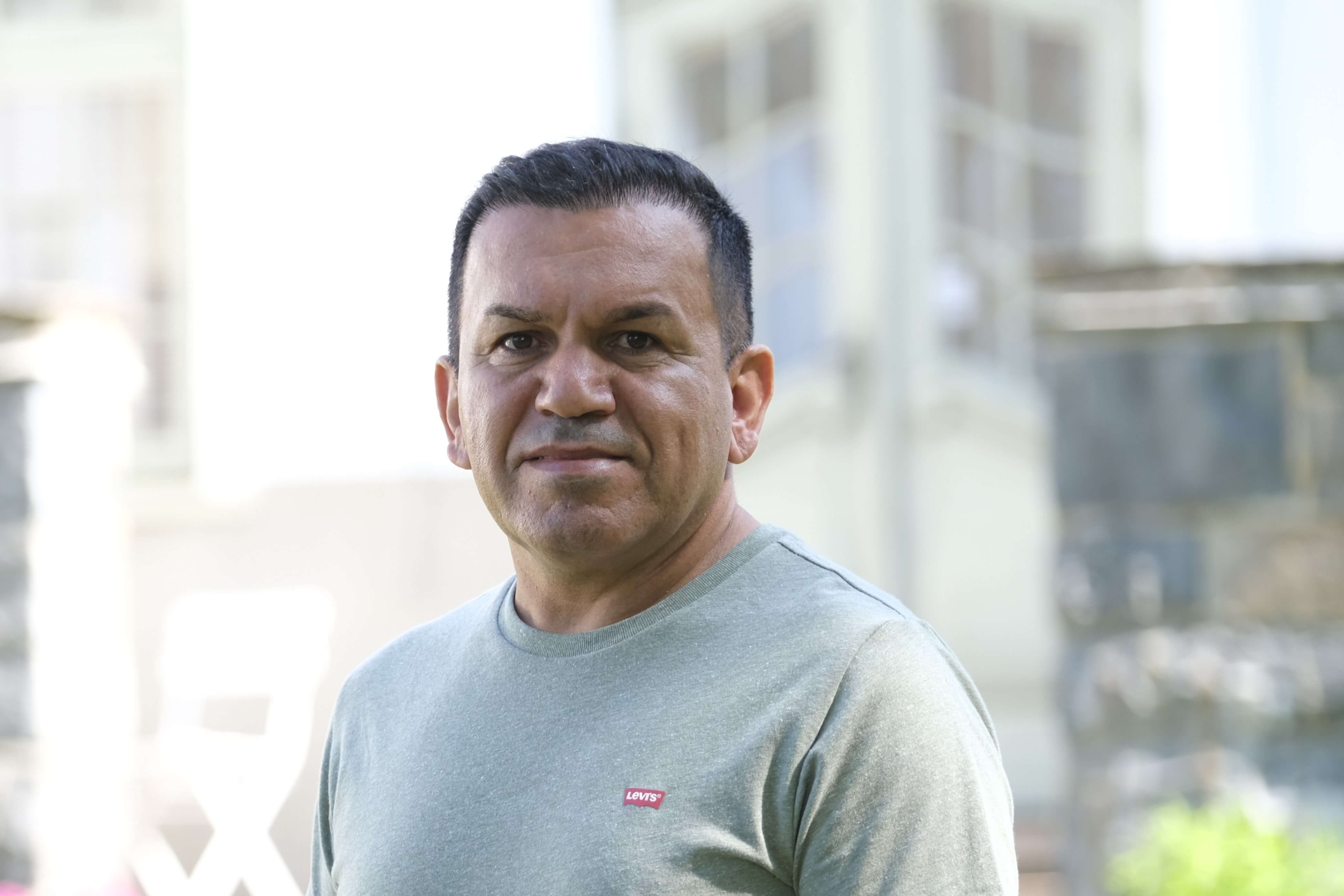 Safety, access to information and financial sustainabilty is paramount while working as a journalist in conflicted areas, according to Salam Omer.
 Salam Omer is a highly accomplished journalist and media trainer from Iraq, with vast experience from both media and the business sector. Omer is dedicated to promoting dialogue and peace in Iraq’s disputed territories, incorporating the methodology of the Nansen Center for Peace and Dialogue into his work as an editor-in chief at the news agency KirkukNow.
With unwavering determination, he highlights the importance of safety, access to information, and financial sustainability in this treacherous terrain.
– Safety is paramount for us, both in the field and online, Omer explains.
Working in a challenging and volatile environment, journalists must navigate through conflicting parties, ensuring their well-being while pursuing the truth. Omer's experience and understanding of safety and security protocols in dealing with warring factions have been instrumental in his reporting efforts.
– It's very difficult to get access to the right sources, he laments.
Yet, Omer perseveres, determined to provide reliable and unbiased reporting despite the obstacles that obstruct the path to information.
To amplify the voices of the unheard
Financial sustainability poses an additional challenge in conflict zones. With little development and militias controlling various aspects of daily life, finding core support becomes an arduous task. Omer acknowledges the precarious nature of his profession, stating:
– Nothing is guaranteed where I work, except my persistence to continue serving local communities with fact-based news and information.
While the Iraqi constitution enshrines freedom of the press, Omer observes a lack of understanding from the government regarding journalism’s vital role in marginalized communities. He believes that journalism can amplify the voices of the unheard, fostering dialogue and societal change. Inspired by the potential to bridge divides and promote understanding, Omer finds purpose in pursuing war and peace issues through dialogue.
A transformative process
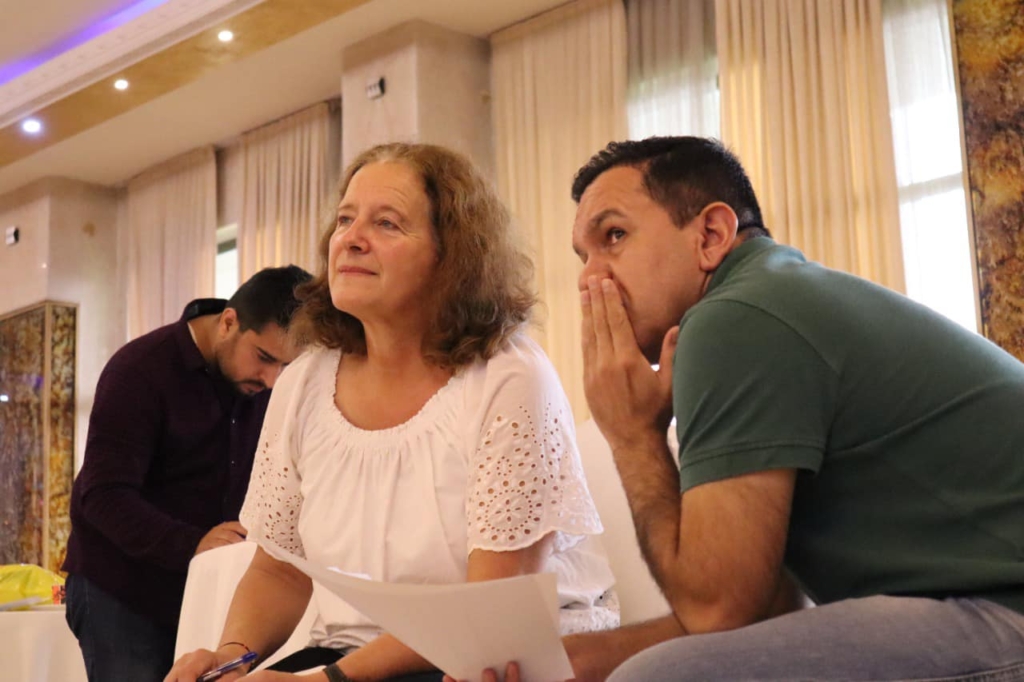
Recently, Omer participated in the Nansen Center for Peace and Dialogue’s seminar on dilemmas in war and peace. According to him, initiatives like these offers a unique opportunity for journalists to broaden their perspectives and gain new insights. He emphasizes the transformative impact it had on his understanding of the challenges he faces.
For him, the seminar served as a catalyst to enhance his reporting practices and reaffirm his commitment to responsible journalism. Engaging with a diverse range of participants from around the world, Omer was inspired by the shared insights and experiences.
– The seminar provided a platform for us to talk and network, he explains.
This collaborative environment allowed him to recognize that he is not alone in his struggle to report from conflict zones and that there are others facing similar harsh conditions.
From conflict reporting to dialogue journalism
Notable speakers and experts at the seminar offered invaluable contributions, shedding light on war and peace dilemmas. Omer was particularly moved by the experiences shared by peace practitioners, who revealed the unimaginably tricky challenges they encounter while receiving minimal support. Their stories reinforced Omer’s belief in the power of reliable news and information in promoting peace during times of war. He adds:
– I’ve come out with the feeling that I am not alone. The participants also live in harsh conditions and they were a huge source of inspiration. I will continue build a bigger network to conceptualize how producing reliable information can contribute to promote peace in times of war.
The seminar's impact on Omer's work is evident in his commitment to building a larger network and conceptualizing ways to utilize media as a tool for peace promotion. Inspired by the participants, he seeks to produce accurate and verified journalism, empowering underprivileged and marginalized groups to engage in dialogue with others.
Omer's dedication to debunking misinformation and disinformation, and his emphasis on countering biases, demonstrates his conviction in the potential of journalism to shape narratives and foster reconciliation.
I’ve come out with the feeling that I am not alone.
Salam Omer
Journalism as a bridge over troubled water
The seminar's practical recommendations and strategies resonated deeply with Omer. Exploring various approaches, such as increasing the production of news and information related to peacebuilding, has opened new horizons for him.
Omer now envisions future projects in collaboration with the Nansen Center for Peace and Dialogue that focus on reliable news, information, and researching the information consumed by conflicting parties. By fostering a constructive dialogue, he aims to create an environment where peace can flourish.
Salam Omer's journey as a journalist reporting from conflict zones reflects the unwavering pursuit of truth amidst adversity. His experiences and challenges underscore the critical importance of safety, access to information, and financial sustainability in conflict reporting.
The seminar on dilemmas in war and peace served as a transformative experience, amplifying Omer's dedication to responsible journalism and the power of reliable information in promoting peace. By embracing dialogue journalism and seeking to bridge divides, he embodies the potential for media to shape narratives, foster reconciliation, and contribute to building a peaceful society in post-conflict regions.
International Seminar: Dilemmas in War and Peace
Join us for this international seminar on the difficult questions regarding war and peace. We hope to see you in Lillehammer on June 11-13th.
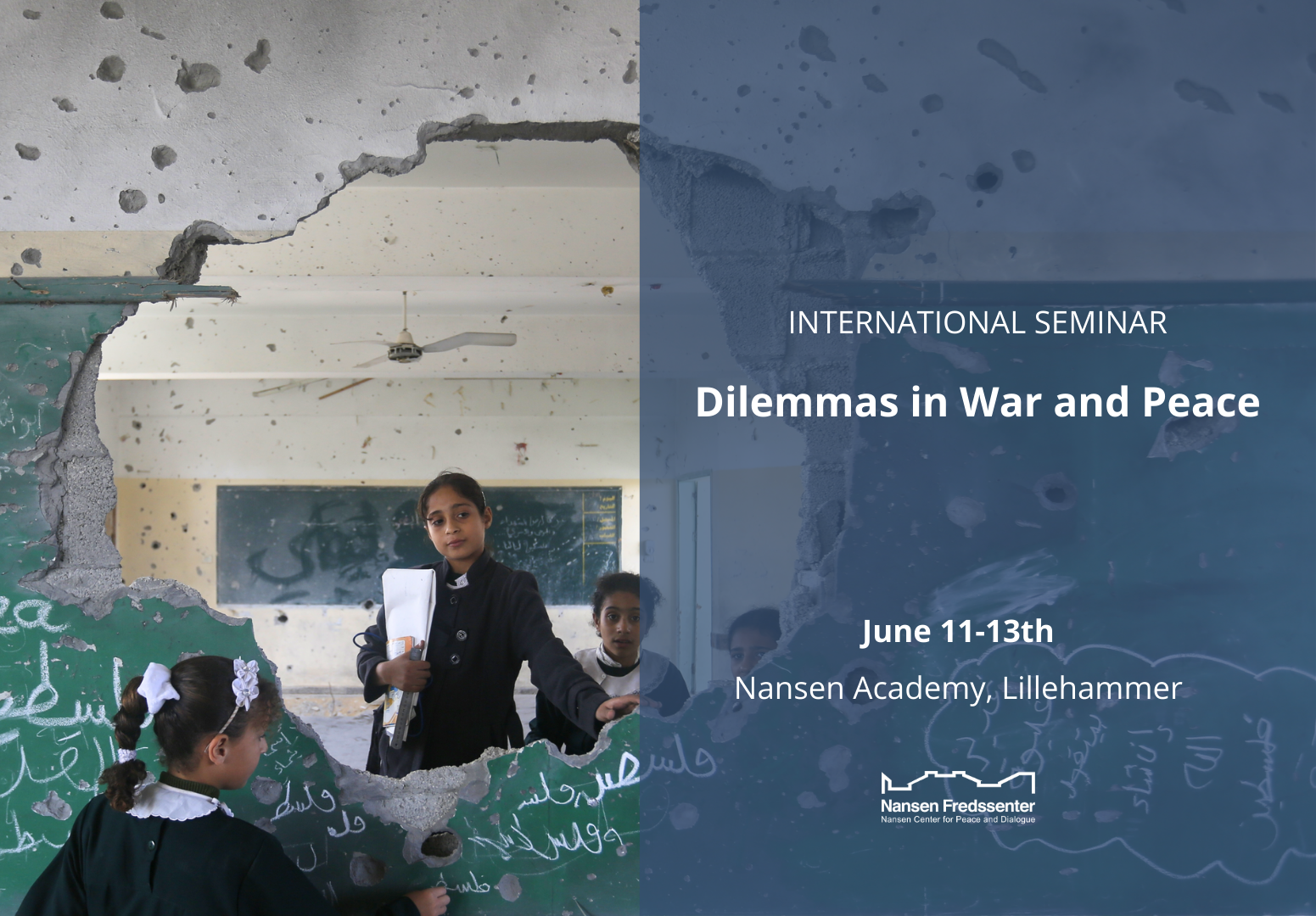
From Sunday June 11th to 13th, The Nansen Center for Peace and Dialogue is inviting professionals, activists, and other relevant actors in the field of dialogue, peace, and conflict, to Lillehammer, Norway. The three-day seminar will center around dialogical reflection and knowledge exchange on difficult dilemmas regarding war and peace, where there is space for challenging questions, uncertainty, and complexity, rather than conclusions and absolute answers.
As peace workers and engaged citizens the last few years have confronted us with the rugged and complex landscape that exist between war and peace since the return of Taliban rule in Afghanistan in 2021 and Russia’s war in Ukraine in the beginning of 2022. In a world that for many feels increasingly unsafe, unpredictable, and violent, the field of peace, dialogue, and mediation come together and ask ourselves some difficult questions.
What do our dilemmas do with us and how do we react to them? How do we prepare for peace? How do we navigate responsibility and guilt in times of war? When is it time for dialogue? What is the place of pacifism in the current peace movement? When is a war won? Who do we sympathize with, and why? What does do-no-harm mean in practice? Can war be stopped without violence? What are the limits of dialogue?
Based on elevating personal experiences from specific contexts around the world, this seminar will have a broad focus, centering on fundamental questions that all peace practitioners and civil society around the globe are faced with. Together we will explore how we navigate the individual, societal, and professional challenges, opportunities, and contradictions in our diverse realities.
Through a combination of dialogues, workshops, and keynote lectures, the aim is to create a space for both the personal and professional. Organized in a process-oriented manner, the seminar content will be partly influenced by participants contributions and experiences.
See our program below:
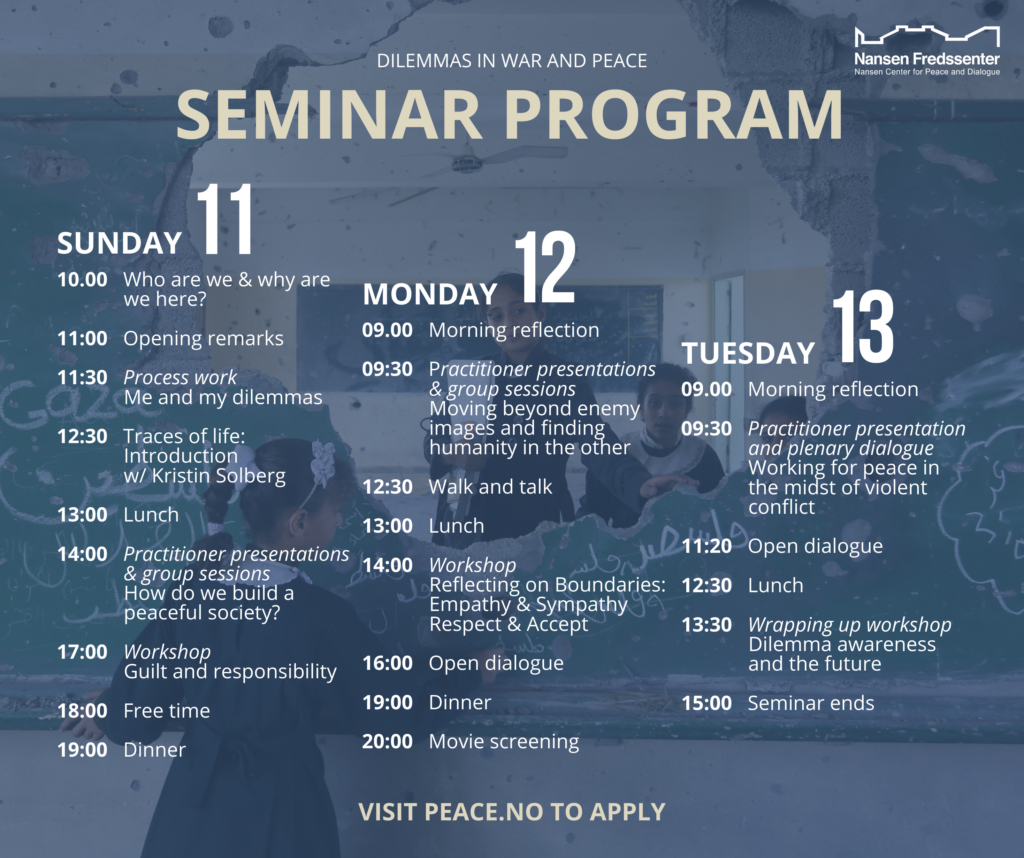
WHEN? Sunday June 11th to Tuesday June 13th (advised arrival on the 10th)
WHERE? Nansen Academy & Nansen Center for Peace and Dialogue, Lillehammer, Norway
COST
Participants are asked to contribute with a participation fee of 150 EUR, which will cover accommodation and meals all seminar days, as well as dinner Saturday the 10th for those arrived. Travel is at self-cost.
APPLYING TO THE SEMINAR
This seminar has limited spots and participants will be chosen based on experience and background. This is a forum for international practitioners and professionals in the field, which includes those with volunteer and activist experience. Previous participants of our trainings and workshops and members of our alumni network Pockets of Peace are especially encouraged to apply.
Apply as soon as possible, as spots are given consecutively. Accepted applicants will be given information about detailed practicalities and payment, as well as the chance to share your own dietary needs etc.
Pockets of Peace 2023: Dilemmas in War and Peace receives funding from the Norwegian National Comission for UNESCO.
– No peace and stability without human rights for Afghan Women
Human rights defender, Horia Mosadiq, believes that Afghan women and their courageous fight for human rights can be a gamechanger in the country.
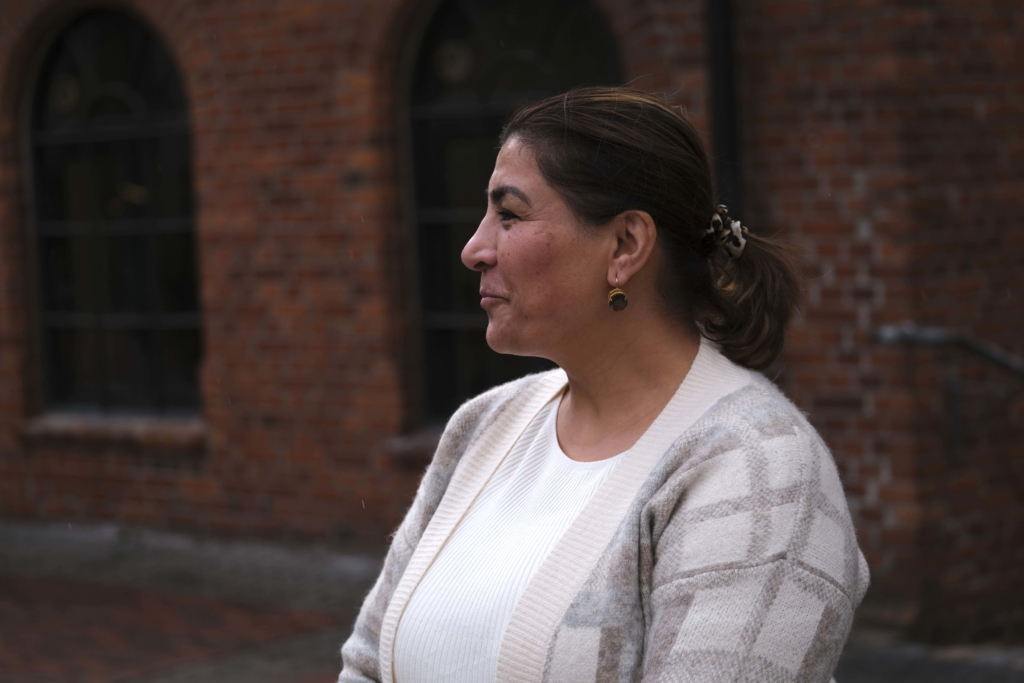
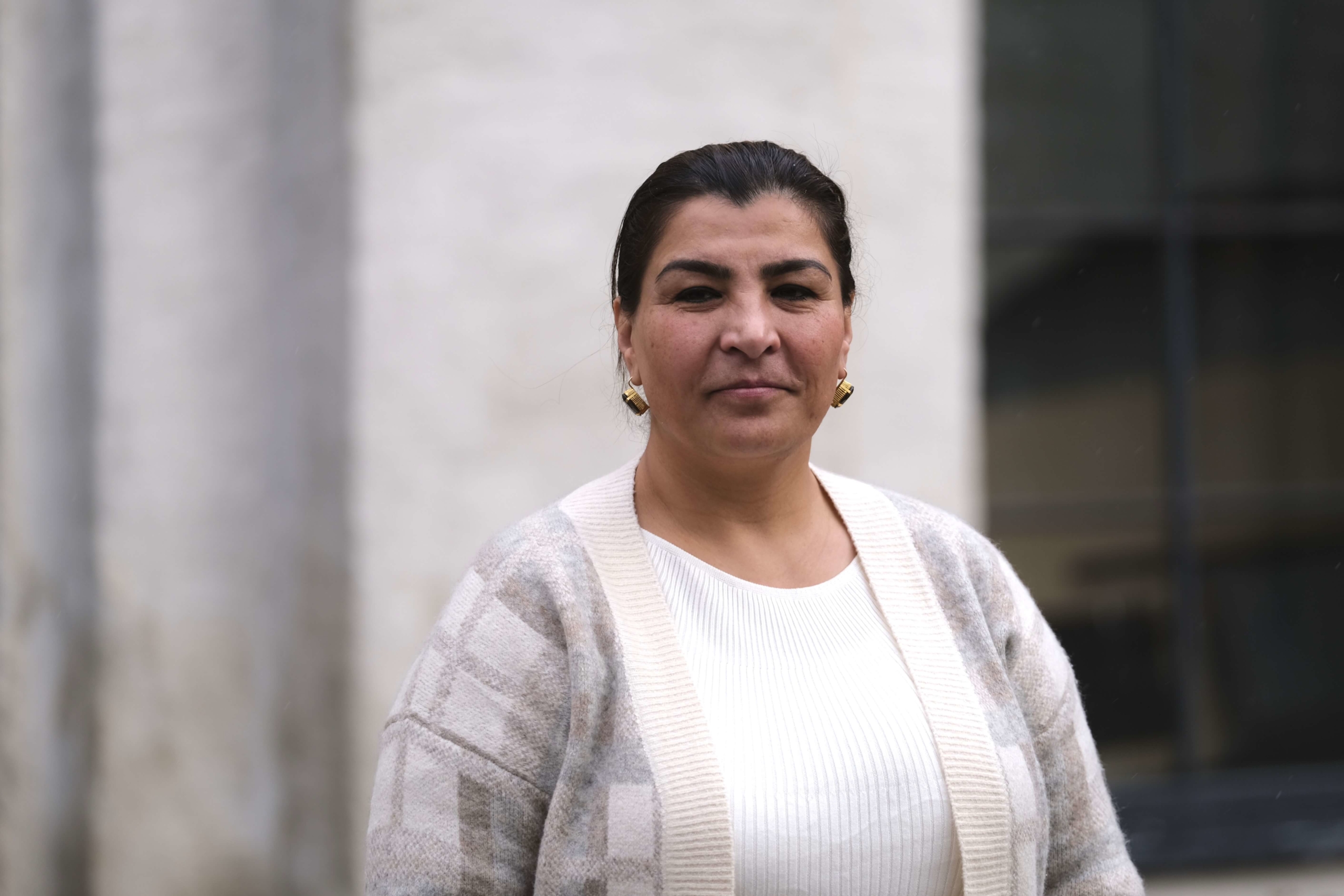 – The world shall not forget the Afghan people, especially the women, says human rights defender, Horia Mosadiq.
 As in many other oppressive countries, women in Afghanistan have been extensively discriminated through history. Women’s rights issue is also vulnerable to the interpretation of Islam and the transformation of political power in the country. Throughout the changing political landscape in the last fifty years, different groups have exploited women’s rights for political gain.
Horia Mosadiq was a young girl when the Soviet invaded the country in 1979. Now she is a human rights activist with long experience working with rights issues, peace, justice, gender and violence. During the Afghanistan week 2022, Mosadiq was invited to participate in several discussions. She remembers times when the state was committed to women’s rights in Afghanistan.
– I remember my mother wearing miniskirts and taking us to the cinema. My aunts went to University in Kabul, but the Soviet invasion changed everything.
Before the 1979 invasion
When we think about women in Afghanistan, most people probably recall pictures of women in burqa or the famous National Geographic photograph of “the Afghan girl” Sharbat Gul. However, the image of Afghan women contains a lot more.
The progression of women’s rights in Afghanistan dates to the late 19th century under the rule of king Abdul Rahman Khan. His wife, Bobo Jan, dressed without a veil, represented her husband in reconciliation processes after feuds between tribal leaders. Among few women, she also used to ride horses and trained her maidservants in military exercises.
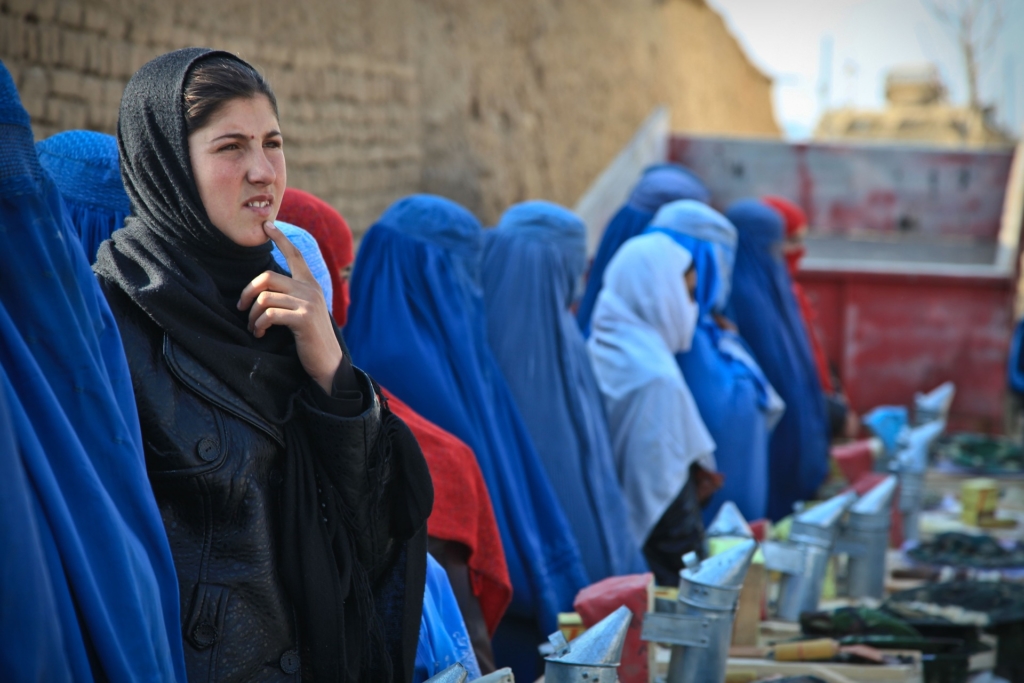
Later, in the 1920s under the rule of Amanullah Khan who was known as the “reformer king”, Afghan girls went to school, and women were granted freedom of choice in marriage. Moving forward to the late 50s, women where also enrolled at the university.
In 1973 the incumbent king was removed by his own cousin, Daoud Khan. Khan was also committed to women’s rights and introduced reforms for women’s emancipation. When the Soviets invaded Afghanistan a few years later, the communists were repressive, but still promoted women’s rights.
When the communist government fell and mujahideen factions (“guerilla warriors”) turned on each other, women’s freedom was the first victim of war. Women’s rights started its downward spiral due to war, poverty, and migration.
Women’s rights under Taliban
In 1994, when the Taliban emerged. They imposed the “gender apartheid”, closed schools for girls’ school and demanded women to stay at home unless accompanied by a male relative. They imprisoned, tortured, and executed women in the name of “moral crimes”.
These memories are still fresh for the generation born before the 2001-invasion in Afghanistan. When Kabul fell for the second time to Taliban in August 2021, it brought horror and shock to many, including Horia Mosadiq.
Although Mosadiq was in London at that time, she had already sensed the situation worsening. On that day, she made many phone calls to ensure that her remaining family in Kabul were safe. She describes the fall as a “chaos for all Afghans, inside and outside Afghanistan”.
– The Chaos started when President Ghani left the country. It was mass panic. Many scared women called me while they where crying.
After the fall, Taliban gradually imposed new versions of the same “gender apartheid”. The regime banned girls from secondary school, and women are once again forbidden from working in most sectors, except in health and education. The Taliban dictated what women must wear, and women are not allowed to play sports or go to parks and public baths.
Feeling of betrayal
While Afghanistan has always been a patriarchal society, women made significant progress and participated in all social spheres during the post-2001 era. At least in the major cities.
They were active in health services, politics, social work, education and in the economic sector. The generation after 2001 have no memory of the Taliban government policy before the turnover of power last year. However, gender discrimination has always been present in the society.
Seeing again the Taliban imposing the disreputable “gender apartheid” has also made many of these women questioning the international community’s commitment. According to Mosadiq, many Afghan women feel betrayed by the international community.
– As someone working within the international community, I would say that the experience was bitter. They were not honest and did not have the guts to tell us the truth and kept lying to the Afghan people. They did not even believe in their own promises.
She reckons that the international community did not consider any inputs from Afghan women and compromised on their rights during the peace talks with Taliban in 2019
What can be done?
Women in Afghanistan, from the elite to the grassroot, are demanding the same fundamental human rights. For the first time in the history, they stand together as a united movement. This is a dim ray of hope for many Afghans.
Mosadiq points out that it is essential to have a broad movement from grassroot activists to the elite, but when the rulers do not listen and suppress their fundamental rights, they are restrained from making changes. However, women with the access to better platforms can take a role to amplify their voices.
– Women in Afghanistan are demanding something quite simple. They are not asking for so-called western moral values, but fundamental human rights. Women living in diaspora can be their voice.
Mosadiq also addressed the UN during a seminar on women’s rights in March this year. She asked the international community for actions, not words. She places her hope in the new generation and the women of Afghanistan, which she advocates for as a human rights defender and activist. She believes that the women have shown extreme courage, and she hopes that they might change the country.
Mosadiq reminds the international community to remember that Afghanistan belongs to the people, not the Taliban.
– The world shall not forget the Afghan people, especially not the women.
Written by Hasina Shirzad.
Afghanistan must not be isolated – It is time for Dialogue and Diplomacy
Nansen Center for Peace and Dialogue urges Norway and the international community to remain committed to the people of Afghanistan and keep lines of communication open.
By Norunn Grande, Director NCPD
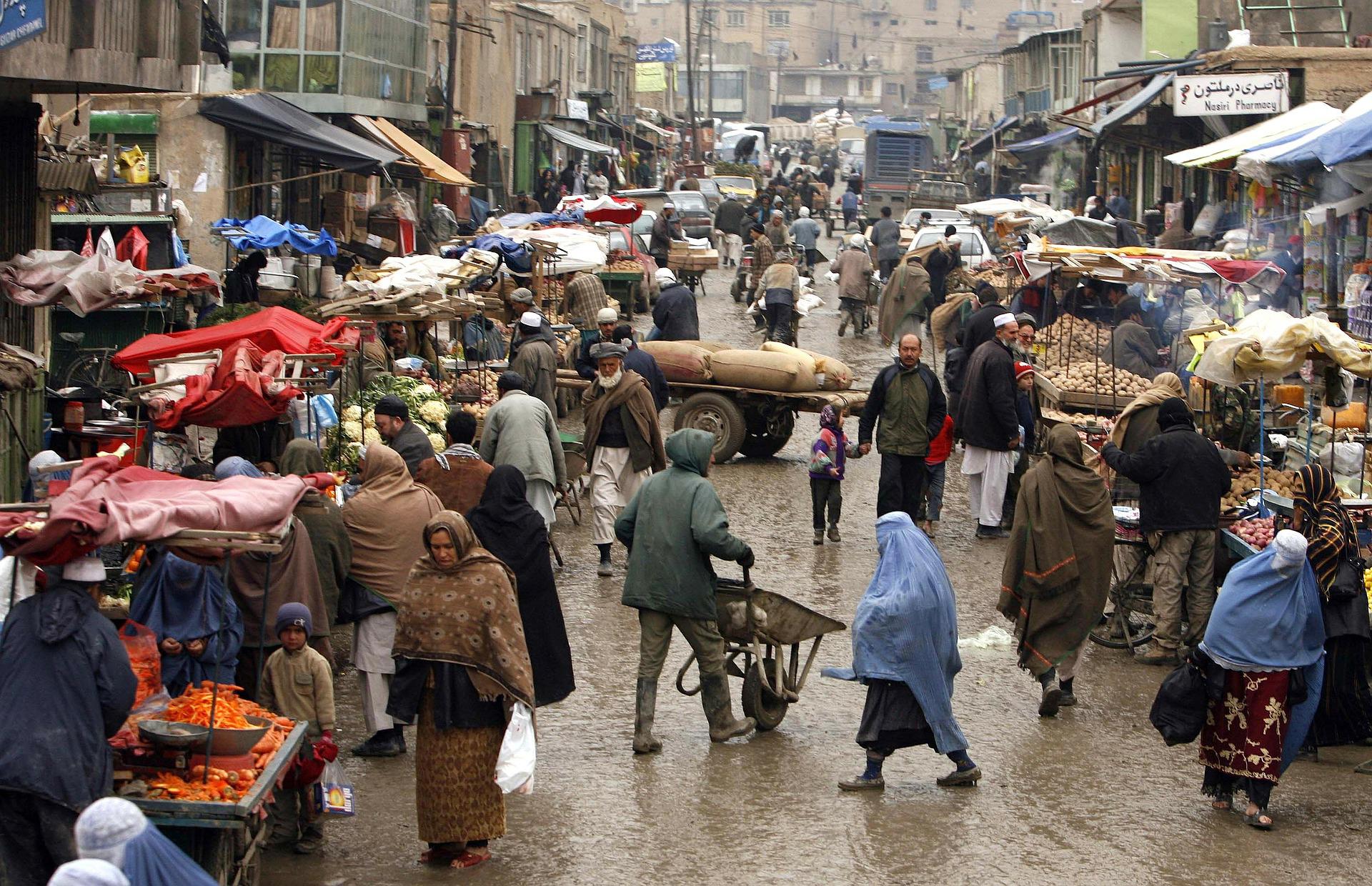
The dramatic shift of power in Afghanistan has been shocking and frightening, and it is still difficult to grasp what has really happened in such a short timeframe. At the Nansen Center for Peace and Dialogue we are deeply touched by these events and our thoughts and concerns go to all Afghans who live in rural communities, in cities and towns, and those who have left their homes for protection and live far away from their loved ones.
20 years of military presence commits
It is time for self-examination and renewed commitment from the international community. Twenty years of western military intervention has left Afghan citizens with broken hopes and unpredictability. We know there is a strong fear for the future, especially regarding rights for women, children, minorities, activists, and journalists.
It is our concern that Norway and the international community must stay committed to the Afghan people and not turn a blind eye under these extremely fragile conditions. Lines of communication must remain open, humanitarian aid continue and be strengthened, basic human rights ensured, and the most vulnerable individuals and groups need to be protected.
Demonstrating courage and resilience
Over the past years we have learned to know Afghans through cooperation with dedicated, hardworking colleagues and friends, particularly among the local staff of the Norwegian Afghanistan Committee (NAC), working in hard-to-reach communities. We are sincerely impressed by their commitment, resilience, and courage under unimaginable challenges.
Hopefully all that has been invested in trust building and dialogue within communities and with local Taliban leaders, will lay the foundation for meeting the needs of ordinary citizens by providing education, health, and security for all, including women, young people, and minorities. This requires, however, that fundamental human rights and security is maintained.
Dialogue on all levels
Under the current state of emergency, building peace from below may sound naive and unrealistic to some. However, the Nansen Center for Peace and Dialogue believes that in the long run, it may be the only way for communities to reconcile and build a peaceful future. At the Nansen Center for Peace and Dialogue we are committed to do what we can to assist our Afghan colleagues and friends in this work.
Dialogue on all levels is needed, from top level between international community and Taliban leadership to grassroot level within and between communities. Basic security and protection of rights is a prerequisite and needs to be guarded throughout the process. Therefore, it is of vital importance that diplomats and international humanitarian organizations return to Afghanistan and that the United Nations takes a stronger role to ensure continued commitment from the international community.
The value of dialogue in the civil society sector
Personal reflections after attending the Nansen Training Dialogue in Conflict.
By Kyle Naidu
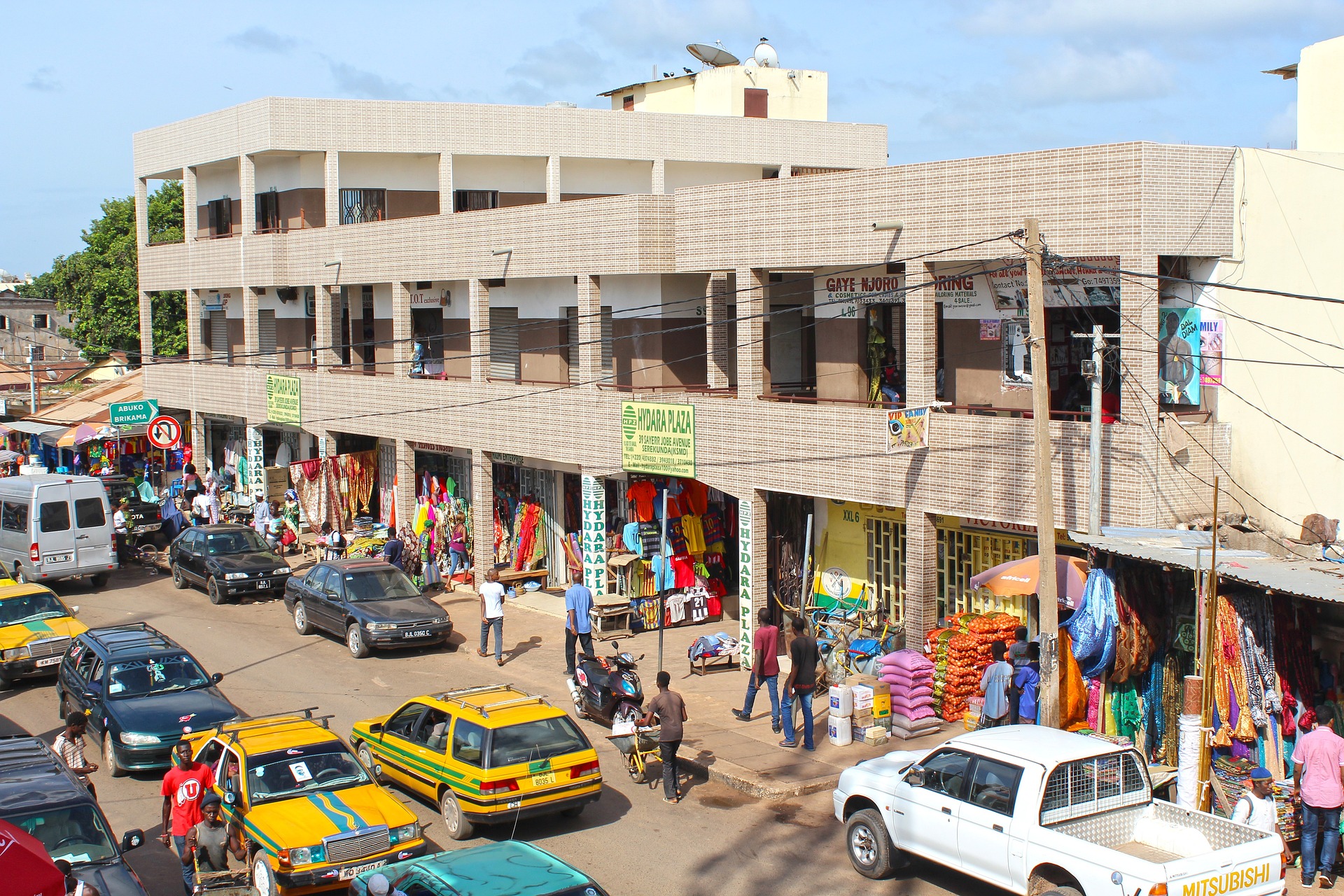
In 2017, as part of a Pan-African civil society delegation, I was sent on a solidarity mission to The Gambia in the wake of the previous year’s elections, resulting in incumbent president Yahya Jammeh refusing to step down from power. There was a fear of widespread violence, and thousands of people were fleeing across the borders into Senegal.
Days before the president-elect was to be inaugurated, we gathered and listened to civil society actors from all sectors: NGO’s, religious groups, youth groups, trade unions and many others. This was the only time these groups were brought together to take part in a conversation about the current state of their country. For the first time, they could sit down and listen to each other about their different approaches to stopping the country from slipping into a civil war.
After attending the Nansen Centre for Peace and Dialogue (NCPD) training on dialogue in November 2021, I was left thinking about the value of dialogue in my experiences with civil society, both internally and in relation to conflicts with the state.
Dialogue is necessary at all levels
The role that civil society can play in pre-conflict, during conflict and post-conflict situations is, I believe, invaluable. Civil society is often seen as a set of non-governmental entities that act as a counterbalance against the state. Alternatively, Mary Kaldor, a scholar on the subject of conflict and civil society, states that it is “the medium through which social contracts or bargains between the individuals and the centres of political and economic power are negotiated, discussed and mediated”.
Given the spaces civil society operate in, dialogue can be a decisive method to build trust, relationships, and understanding between the state and its citizens. This is because dialogue is an inclusive process that brings parties together to begin a process of understanding based on respect and openness. When communication breaks down, conflicts escalate, and more trust is needed to bring the parties back to the conversation. Moreover, the value of dialogue is not limited to conflicts between the state and the people. As a tool, dialogue is an integral part of building social cohesion at all levels of society and even within civil society itself.
The importance of communication in times of conflict
The training at the Nansen Center provided us with specific tools such as conflict mapping, conflict analysis and role play, but also an overall approach to dialogue. After the training I reflected upon the meeting with the Gambian civil society organisations and I still wonder what sort of progress could have been made if we were able to dig deeper into the positions, interests and needs of the stakeholders or even map out the conflict.
Although the meeting in The Gambia was not set up with a dialogical methodology, it did demonstrate that in times of conflict when communication comes to a halt, conversations that allow us to listen to each other’s perspective and positions are of great necessity.
Listening is necessary for a common understanding
I witnessed how the act of listening and understanding each other helped develop a more complete view of the efforts being undertaken by each group. In the end, the participants of the conversation left feeling energised, and an air of camaraderie was felt by many as they came together in a mutual understanding. The participants went on to combine their efforts and launched an SMS task force aimed at sending mass cell phone messages to military higher-ups to stand down and respect the election results. The Gambia is a small nation, so it only took a moment to find someone at the meeting with a cousin who had a general’s phone number.
Having worked extensively with civil society across Africa, it is clear to me that dialogue can be a vital tool in stemming some of the misunderstandings that often happen between state entities and CSO’s, but also amongst CSO’s themselves.
Unveiling the needs and interests beneath the surface
Within grassroots movements and civil society organisations in general, we are often used to conducting our meetings and operations with a slightly argumentative rhetoric. This can include systems such as internal voting, debates, agenda-setting and even as we identify the goals of our organisation. We often spend little to no time further understanding the interests and needs that lie beneath the surface of our outward-facing positions as we focus more on our deliverable or servicing our community.
A dialogical approach to running an organisation or movement can allow for a broader and deeper understanding of the problems that face the organisation or community and elucidate more effective ways of implementing ideas through the inclusive process of dialogue.
Conflicts are a part of life
We all encounter misunderstandings, conflicts, divisions, or disagreements in our lives. Some of these realities remain on a manageable level, and we often manage them unconsciously. Other times, these natural processes become escalated and difficult to navigate or manage. As John Paul Lederach, one of the foremost thinkers in the field of peacebuilding, states, “conflict is continuously present ”, but it must be managed to ensure that the worst outcomes are avoided. The same can be said for conflicts between groups at all levels of society.
Civil society actors like myself need to embrace dialogue as a tool to better understand ourselves, the people we aim to serve, and those that we are critical of. Moreover, we should recognise that its value is not only limited to conflict but should sink into the very core of our functions.
As we touched upon in the training, conflict is not inherently bad; however, if neglected, conflicts often become untenable, and the harmful aspects of conflict can begin to take root. Therefore, the need for understanding becomes imperative to mitigate conflict escalation.
That is where dialogue can be a tool for peace.
Naidu is a South African grassroots peacebuilder, conflict resolution practitioner and researcher with experience working with civil society and activists from across Africa. Naidu holds a master’s degree in Advanced Peacebuilding and Conflict Resolution from the University of Bradford and attended the Nansen training – Dialogue in Conflict in November 2021.