
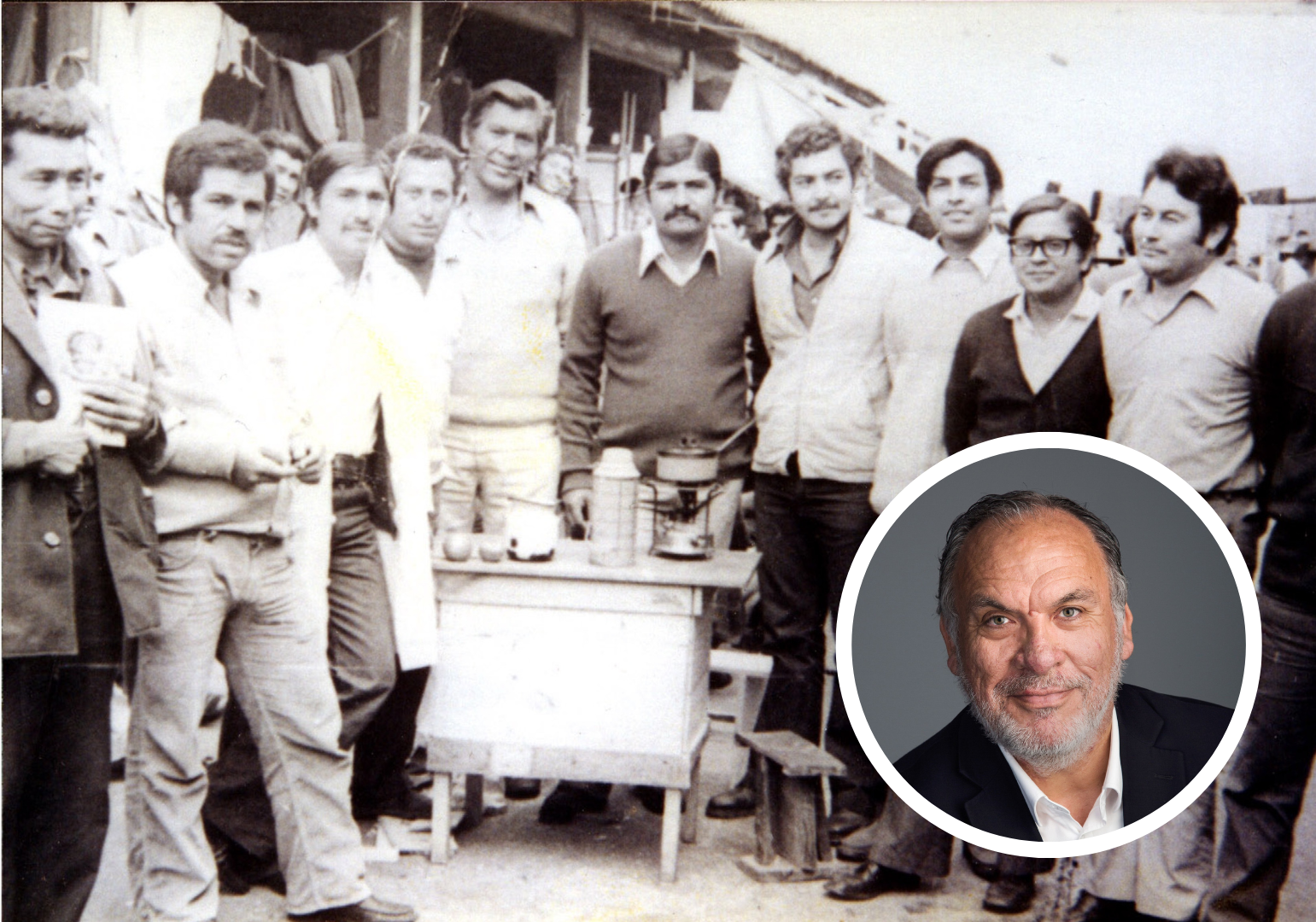
The essay is written by Alfredo Zamudio on the occasion of the International Day of Peace - September 21, 2026
Everything had begun three years earlier, on 12 September 1973. We lived north of Arica in Chile, near the border with Peru. It was a Wednesday, but there were no classes at school, and certainly no reason for joy. Something terrible had happened in Santiago. My father sent me to the store to buy food because we were going to leave for Peru.
I caught sight of my father just as they were taking him away in a pickup truck. I hurried back home, almost running, hoping I had been mistaken, that he would be there asking me how much everything had cost. I opened the door, but he was not there. I saw the mess they had left behind.
The few things we owned were scattered everywhere. They had even slashed the mattresses.
On my father's bed lay a shirt. I picked it up and searched for his scent, as if that could make me feel he was still close. Over time, I came to understand that my childhood ended right then, at the age of twelve.
From one day to the next, I was alone, and I had to survive as best I could. Sometimes I stayed with friends. Some relatives opened their doors to me for a few months. Others said no, perhaps out of fear.
Once, when I could no longer endure the hunger, I must admit that I stole a chicken from a small farm. But I did not have the heart to kill it, so I gave it to an old man. To get some sleep, I once dug a hole in the sand of a dried-up riverbed. I had almost no clothes, and I took a shirt from a clothesline. I still remember the deep shame of having done these things, the loneliness of getting through each day with nothing at all, looking into people's homes and hoping someone would offer me a little help. I remember the many encounters with violence.
The military killed Gastón Valenzuela, Oscar Rippol, and Manuel Donoso, friends of my father. My father was sentenced to eleven years in prison. He was first imprisoned in Arica, then transferred to La Serena, and finally to Santiago. I visited him, and we wrote letters to each other. In one of them, I wrote something like: “Dad, please don't send me clothes. You need them more than I do.”
I do not quite remember how or when it happened, but I obtained a document that allowed me to visit my father. I had heard that prisoners appreciated receiving cigarettes, so I bought the cheapest ones I could find. The cigarettes were called Liberty.
“How are you?” my father asked.
We could not embrace each other, even though we were standing face to face.
“I’m fine, everything is fine,” I replied, I think, almost without thinking.
I could not tell him that I was starving.
After three years, a door of hope opened for both of us, thanks to diplomats such as Roberto Kozak and Lissen Elkin from what is now the IOM (International Organization for Migration), and Frode Nilsen, the legendary Norwegian ambassador. My father could be released, but only if he left Chile as an exile.
My father had no higher education and spoke no foreign languages, but Ambassador Nilsen saw that he needed protection and did what was necessary for Norway to receive us.
After months of waiting, we were informed that we would be granted refugee visas. A church aid organization told me where I could obtain a passport and vaccinations, and they gave me a change of clothes.
15 September 1976 was the day we were to leave. I had no money, so I hitchhiked and arrived a little late. Around my father stood prison guards and police officers. When I arrived, he immediately slipped back into his role as a father and said:
“You’re late.”
They removed his handcuffs, leg irons, and the chain around his waist. I still remember the look of shame on my father's face during this final humiliation.
Ambassador Nilsen took my father by the arm and said to them:
“From this point on, he is under my protection.”
Then he led us to the plane. The next day, on a flight that went via Buenos Aires, Rio de Janeiro, Monrovia, Zurich, and Copenhagen, we landed in Oslo.
“Mr. Zamudio?” asked the representative from the Norwegian Refugee Council who was waiting for us.
“Yes,” we both answered at the same time.
They took us to a reception center. Everything was clean, quiet, and welcoming. Our neighbors were refugees from Vietnam and other places. The kindness in the air was like medicine; I felt peace. Two weeks later, I stopped stuttering. The nightmares took a little longer to disappear, but one day they were gone as well.
I started school and fell in love for the first time. I was fifteen years old.
After some good years of work and freedom, my father became seriously ill. One day, we saw the news that Augusto Pinochet had been arrested in London, and the former dictator looked frail. In a final act marked by compassion, my father whispered to me, with what remained of his voice:
“We won, son. We won. I do not want him to suffer as I did, but I want him to hear everything he has done.”
I share this story because my father's words have meant a great deal to me in my work in war and conflict zones. I have helped wounded people and supported survivors.
Time and again, victims have asked me the same question:
“Why did they do this to us when we had once been so close?”
I have never been able to give them an answer.
Reconciliation is neither easy nor quick, because memories are emotions, with names, images, and sounds.
Every country is different. In our country, we can continue going in circles, or we can do something else: listen to the stories we are missing. It is not easy, and there are many memories. But I believe we must break this cycle and listen to one another, even when it hurts.
And I allow myself to say:
Happy Birthday, Dad. It has not been in vain.
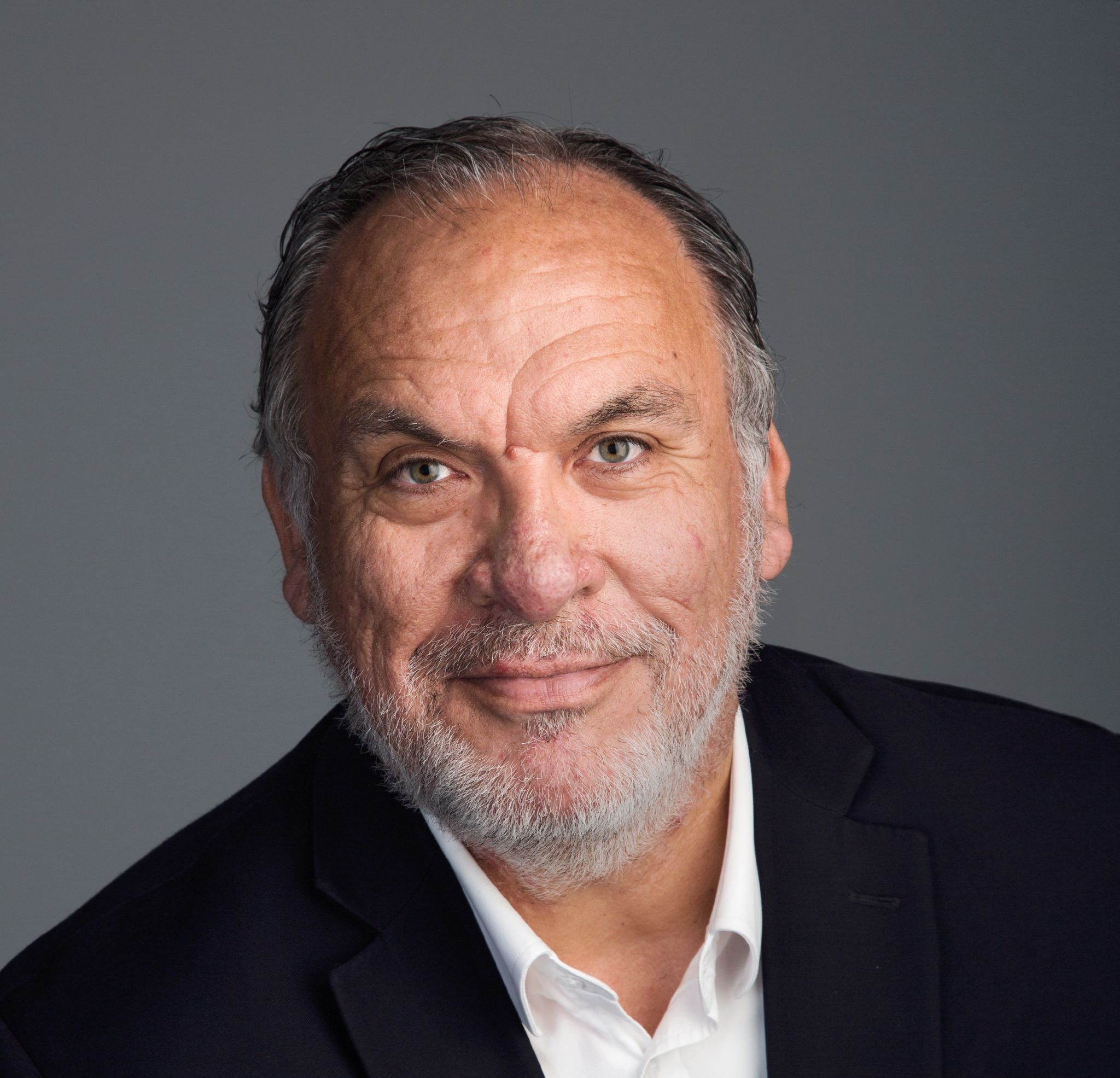
Alfredo Zamudio served as Director of the Nansen Center for Peace and Dialogue from 2016 to 2022. From 2019 to 2025, he led the Nansen Center’s dialogue work in Chile. Originally from Chile, Zamudio has lived in Norway since 1976. Today, Alfredo Zamudio is a Visiting Professor at the Pontifical Catholic University of Chile, Villarrica Campus.